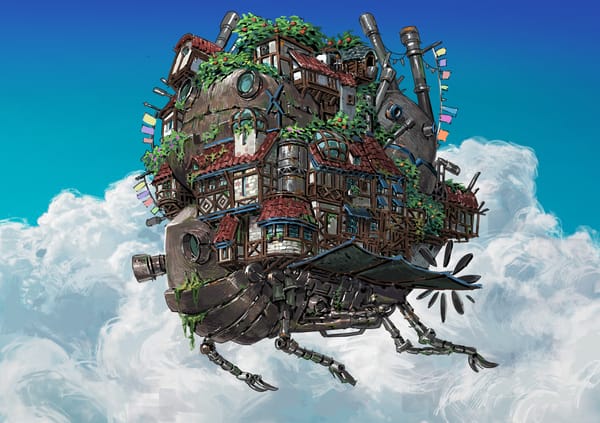
Weird
Digital Homeownership
You deserve a home on the World Wide Web that’s built to keep you safe; a magical place for virtual living that‘s yours for life, existing in a sociable web.
https://writing.exchange/@erlend

Weird
You deserve a home on the World Wide Web that’s built to keep you safe; a magical place for virtual living that‘s yours for life, existing in a sociable web.

status-quo
By now our community holds space for dozens of builders working on community tools in service of the Open Social Web. We call this expansive community space 'Muni Town'.
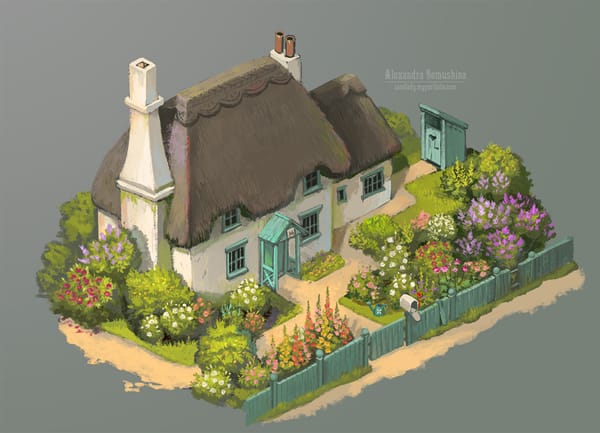
FedCM, OIDC and IndieAuth are converging; Iroh gives us p2p superpowers; and, the Norwegian Buddhist Foundation has partnered with us as early adopters!
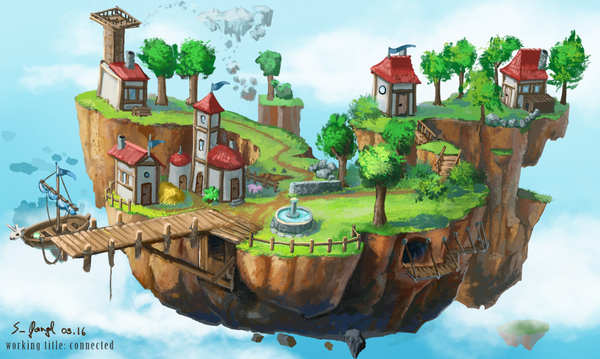
In the glory days of web 1.0, social websites would prominently link out to their digital neighbors via lists known as webrings; magical doorways to an expansive hinterland of digital villages.

The web is awash with reasons not to use Discord, especially for open source projects. One of the easiest ways to trend on HN is to rant against the use of Discord for OSS or information storage: In spite of countless pleas, not much has changed. Before Discord was the

Commune is an open source community platform, specifically designed for publicly available communities. We're designing tools for projects that thrive in an open environment, perpetually improved by their wisdom of the crowd. Built as a Matrix server extension (Synapse only for now; Conduit is coming) combined with a custom client

Chat is the minimum-viable tool for online organizing. Without complete control over our means of communication, our ability to organize depends entirely on the goodwill of the very same hegemonic incumbents which we seek to surpass.
We are thrilled to announce that Commune will be the recipient of a grant from the NLnet organisation, as part of their NGI Zero Entrust programme. NGI Zero actively works towards digital commons and trustworthy technological building blocks for the next generation of the internet. The goal is to provide

As Commune edges closer to an early-access release, I've been musing on the concept of the cozy web vibes that we intend to cultivate in our app. Internet friends My first foray into the cozyverse was IRC. Short for Internet Relay Chat, it's the precursor to the largely unchanged group
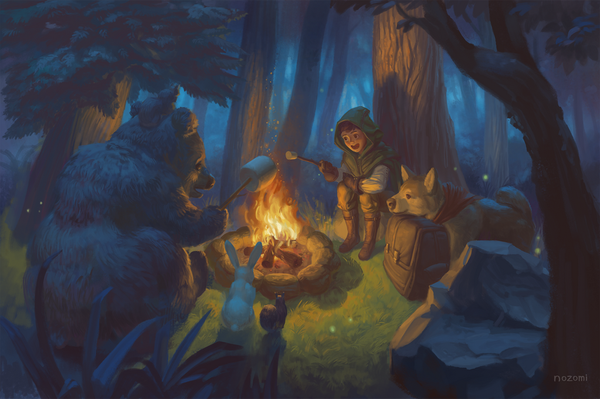
Online community platforms are assembly-kits for large, communal bonfires, designed to draw people towards the light and into the warm togetherness of community. I think the primary function of bonfire software is to create space for group-scale discourse. Riffing on thoughts about healthy information consumption, Tom Critchlow described his personal
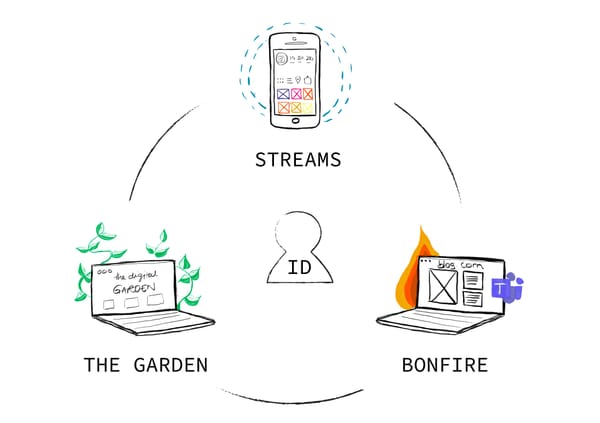
I've previously written about the multi-app platform of my dreams as a community professional: The Community OS stack. While undeniably ambitious, it's a vision firmly grounded in practicality. Thanks to the compounding value of open source and standard web protocols, the path to digital discourse nirvana can be mapped out
The Great Untangling: Part 1 – Shaping the foundations. To sufficiently express my identity as a netizen I require: * global group messaging: Discord * local group messaging: Telegram * secure & sovereign messaging: Element (Matrix) * first-contact messaging: Gmail and.. * collective thinking: GDdocs/Notion * collective writing: Writing.as * collective learning: Omnivore, PocketCasts, Inoreader and.. * interactive